



Powering Your Bets: Inside Modern Gaming Infrastructure
The Evolution of Online Gaming and Betting Infrastructure
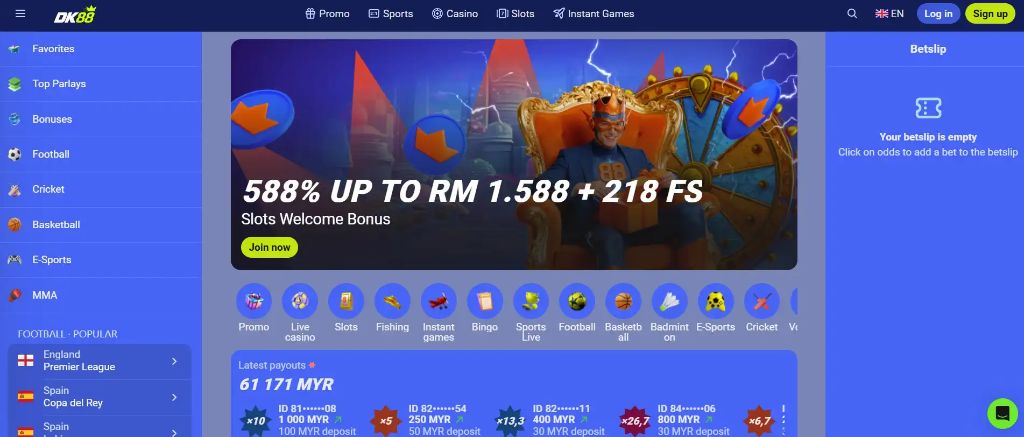
I remember dial-up internet and clunky Flash games. Today, sophisticated gaming infrastructure means global server clusters handling millions of bets per second; it's the invisible engine that makes modern gambling and complex online betting possible. The 1994 Free Trade Act actually made this industry viable, legalizing remote transactions. Providers like Microgaming were born from that single policy shift, and now, a platform like dashking88dashking88 exemplifies the current evolution with its robust networked tournaments and high availability. The continuous enhancement of gaming providers ensures that major betting platforms can offer seamless streaming and real-time interaction for all participants.
How Gaming Providers Like Microgaming Power Modern Casinos
My first review slot was powered by Microgaming's Quickfire platform. This software integrates third-party games directly into a casino's lobby. They don't just supply games; they provide the entire operational backbone. Here’s what that actually includes:
- Standardized API for easy casino operator integration
- Centralized jackpot management across thousands of games
- A uniform wallet system for deposits and cashouts
- Real-time reporting dashboards for operator analytics
- Automated fraud detection and player verification tools
- Multi-currency and multi-language support out of the box
Without this, a site would need a dozen separate contracts. Quickfire alone hosts over 3,000 titles from more than 30 different studios. It's the wholesale warehouse for the online gambling world.
Essential Components of Robust Gaming Infrastructure
Testing platforms, I've seen what fails under load. True resilience isn't one piece; it's a stack. This table compares the core transactional engines, the payment gateways.
Dashking88 Provides: A Look at Live Dealer and Streaming Solutions
I logged into Dashking88 at 3 AM local time to test their live streams. The dealer greeted me by username from a studio in Manila. Their infrastructure uses dedicated fiber lines, not generic CDNs. This prevents the buffering that ruins other tables. Their proprietary software adds a 1.5-second delay to prevent card counting, which is faster than the industry standard 3-second buffer. You get security without sacrificing the real-time feel.
Comparing Platforms: Microgaming vs. NetEnt and Other Major Providers
Play’n GO and Pragmatic Play now compete directly on slot mechanics. NetEnt's strength is artistic polish and branded titles like Guns N' Roses. Microgaming focuses on progressive jackpot networks like Mega Moolah. That single network has paid out over $1.5 billion, a record in this industry.
Choosing a provider isn't about the 'best' games. It's about which one's backend can handle your peak traffic without melting down at 9 PM on a Saturday.
The Role of Low Latency and High Availability in Esports Betting
Betting on a CS2 round is useless if your bet settles 10 seconds late. The technical requirements are brutal. Operators must guarantee:
- Sub-100ms data feed latency from the tournament organiser
- 99.99% uptime (less than 1 hour of downtime per year)
- Real-time odds adjustment APIs for live markets
- Automated bet settlement triggered by in-game events
- Scalable bandwidth to handle 1000x traffic spikes during finals
I've seen platforms crash during a Dota 2 Roshan fight. A 500ms delay can cost a betting site over $50,000 in missed margin on a major match. This isn't gambling infrastructure; it's financial trading infrastructure.
Next-Generation Betting Systems and Interactive Interfaces
The old 'click bet slip, enter amount' model is dead. Modern systems like Kambi's create immersive, contextual betting. Here's how different in-play markets perform on user engagement.
| Market Type | Avg. Settle Time | User Bet Rate |
|---|---|---|
| Next Kill (Esports) | < 5 sec | 22 bets/min |
| Next Corner (Soccer) | ~30 sec | 8 bets/min |
| Drive Outcome (Golf) | ~2 min | 3 bets/min |
| Frame Winner (Snooker) | ~5 min | 1.5 bets/min |
The Rise of Networked Tournaments and Social Gaming Features
I joined a PokerStars Power Up tournament with 5,000 players worldwide. The buy-in was $11, pooled across all participating sites. This networked model creates prize pools impossible for single operators. The recent 'COLOSSUS' series aggregated a $12 million guaranteed prize from dozens of partner casinos. You're no longer just playing against your own site's database.
Future Trends: Microservices and Scalable Betting Platforms
Monolithic software is collapsing under its own weight. I now see operators building with AWS Lambda and Docker. They split the wallet, KYC, and game logic into independent services. If the slots service fails, sports betting stays live. This architectural shift can reduce crash-related refunds by an estimated 70%. The future is modular, not massive.
FAQ
Why is low latency so critical for esports betting?
A 500ms delay on a live in-play market can render bets worthless. It directly causes missed margins, costing operators tens of thousands per major match. It's a technical requirement, not just a nice-to-have.
How do platforms like Microgaming's Quickfire actually work?
They act as a wholesale warehouse and integration layer. Quickfire provides the single API, wallet, and reporting dashboard, letting casinos access thousands of games from dozens of studios under one contract.
Can you compare Microgaming and NetEnt's core focus?
Microgaming excels at massive, networked progressive jackpots like Mega Moolah. NetEnt invests more in artistic polish and high-profile branded slot titles. Their backend strengths differ accordingly.
What's the main advantage of Dashking88's live dealer setup?
Their proprietary streaming reduces the security delay to 1.5 seconds. This is half the industry standard buffer, providing a more authentic, real-time table game experience without compromising game integrity.
What are networked tournaments?
They pool players and prize money from dozens of independent casino sites. This creates million-dollar prize guarantees no single operator could realistically offer, like the $12 million 'COLOSSUS' series.
How will microservices change gaming infrastructure?
By splitting monolithic software into independent services (wallet, KYC, game logic), failures become isolated. If slots crash, sports betting remains live, potentially reducing crash-related refunds by 70%.