


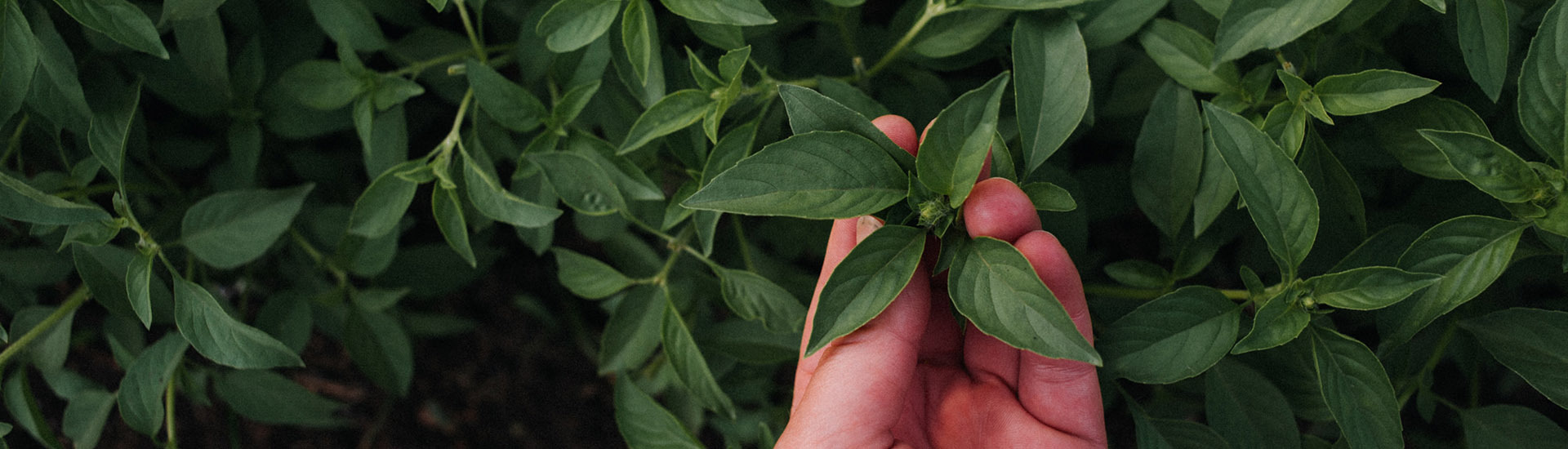
Wild Robin GB foraged sights unfurl
Wild Robin GB foraged sights unfurl
There’s a peculiar kind of magic that happens when you step off the beaten path in Great Britain, especially when you let curiosity be your guide. Recently, while wandering through a stretch of ancient woodland in the heart of the countryside, I stumbled upon something that felt both familiar and utterly foreign. A flash of russet and grey darted between the ferns, and I realized I was watching a wild robin — not the garden variety you see on a frosty bird table, but a more elusive, untamed cousin that seems to thrive where the undergrowth is thickest. This encounter sparked a deeper dive into what Wild Robin GB really means, and it turns out the landscape is brimming with foraged sights that unfurl like a hidden tapestry.
For anyone who loves the outdoors, the concept of Wild Robin GB extends far beyond the bird itself. It’s a mindset — a way of looking at the British wilderness as a living pantry and a gallery of natural wonders. Whether you’re combing coastal hedgerows for samphire or identifying fungi in a damp copse, the thrill of discovery is palpable. If you’re looking to pair that sense of adventure with a bit of modern excitement, you might find a surprising complement at http://wild-robin-casino.uk, where the spirit of exploration meets a different kind of thrill. But let’s keep our boots muddy and our eyes peeled for what the land itself offers.
The term foraged sights might sound poetic, but it’s very literal. Across GB, the wild robin — and the wild landscape it calls home — reveals itself in layers. Early spring brings carpets of wild garlic under ancient oaks, their leaves glossy and pungent. Summer offers the deep crimson of bilberries on heathlands, and autumn turns the floor into a mosaic of mushrooms, from the stately chicken of the woods to the delicate wood blewit. Each discovery feels like a secret whispered by the earth.
To truly appreciate this world, it helps to understand the key differences between the wild robin experience and more typical outdoor foraging. Below is a quick comparison that highlights what sets this journey apart.
| Aspect | Wild Robin GB Foraging | Standard British Nature Walk |
|---|---|---|
| Primary Focus | Actively seeking edible and medicinal plants, fungi, and wildlife signs | Passive observation of scenery and common species |
| Species Encountered | Shy, rare, or seasonal finds like wild robins, morels, and sea buckthorn | Common birds, pigeons, and ornamental plants |
| Skill Level Required | Moderate to high — identification and ethics are crucial | Minimal — any walker can enjoy it |
| Emotional Reward | Deep satisfaction from connection and self-reliance | Relaxation and gentle enjoyment |
| Risk Factor | Mistaken identification can be dangerous | Very low |
As you can see, the Wild Robin GB approach demands more from you — but the payoff is immense. Imagine kneeling beside a brook, your fingers brushing through damp moss, and spotting the telltale orange breast of a robin that has never known a garden feeder. That moment, fleeting and sharp, is what I call a foraged sight. It’s not just about food; it’s about witnessing life in its rawest form.
Here are a few essential tips for anyone eager to start their own foraged journey through Wild Robin GB:
- Learn from experts — Join a local foraging group or attend a workshop to avoid dangerous mistakes.
- Respect the land — Only take what you need, leave plenty for wildlife, and never uproot entire plants.
- Use all your senses — Listen for bird calls, smell the damp earth, and feel the texture of leaves.
- Keep a field journal — Sketching and noting locations helps build a personal map of wild treasures.
- Start small — Focus on one or two easy-to-identify species, like nettles or blackberries, before advancing.
The seasons dictate the rhythm of Wild Robin GB. In spring, the woods are alive with bird chatter and the first green shoots. Summer brings abundance — wild strawberries hiding under leaves, and the air thick with the scent of pine. Autumn is a forager’s prime time, with nuts, berries, and fungi at their peak. Even winter has its gifts: rosehips, sloes, and the stark beauty of a robin’s silhouette against snow.
“The wild robin doesn’t wait for an invitation. It arrives with the rain, perches on the edge of your awareness, and reminds you that the land is always speaking — if only you know how to listen.” — A forager’s reflection
One of the most captivating aspects of this pursuit is how it transforms your perception of familiar places. A suburban park you’ve walked a hundred times can suddenly reveal a patch of wood sorrel or a robin’s nest tucked in a holly bush. The Wild Robin GB philosophy turns every outing into a potential adventure. It’s about seeing the extraordinary in the ordinary, and unfurling the layers that modern life often buries.
Frequently Asked Questions
What exactly is “Wild Robin GB”?
It refers to the practice of foraging and observing wildlife across Great Britain, with a special focus on the elusive wild robin and the ecosystems it inhabits. It combines bushcraft, botany, and birdwatching into one immersive experience.
Is it safe to forage for wild food in GB?
Yes, but only with proper knowledge. Many edible plants have toxic lookalikes. Always use a reliable guidebook, consult experts, and never eat anything you are not 100% certain is safe.
Can I see a wild robin outside of rural areas?
Wild robins are more reclusive than urban robins, but they can appear in larger parks, nature reserves, and old woodlands even near cities. They prefer dense undergrowth and areas with minimal human disturbance.
Do I need special equipment to start foraging?
Not really. A sturdy basket, a sharp knife, a field guide, and a sense of curiosity are enough. Over time, you might add a hand lens, a foraging bag, and a notebook.
How can I support wild robin habitats?
Leave dead wood and leaf litter in place, avoid using pesticides, and plant native shrubs like hawthorn and holly. Even a small garden can become a haven for these birds.